
Community
5 min read
Sponsoring UK Olympiad Teams
By Aaliya Manji
I've spent the last two years running the UK AI Olympiad (UKOAI) alongside my job at Prax, where we invent and deploy advanced technology systems for physical industries.
Prax is now sponsoring UKOAI. I wanted to explain why, and what I think good sponsorship should look like.
Hard problems make good students
The scientific olympiads are very difficult academic competitions, where students are selected from a national process to compete internationally in a team of four to six. The first International Mathematical Olympiad was held in Romania in 1959, with seven countries. Physics followed in 1967, then informatics in 1989, linguistics in 2003 and AI in 2024, all now with between 45 and 120 countries taking part. The format hasn't changed much since.
We have always sought out olympiad students because they have some important attributes of great hires. Consider the process a student goes through, from initial selection to winning a medal at the final international event. First, a national screening test funnels thousands of students down to a team of four to six, based on technical aptitude. Then, this team trains intensively and receives coaching on problem solving from top academics, engineers, and past participants. Finally, the team competes against other national teams in an international event consisting of extremely hard problems with strict time limits. Clearly, a student who medals internationally has exceptional aptitude, refined by hours of coaching and self-directed practice; and they have the motivation and work ethic to undergo this process.
Other people have started noticing this too. One study of IMO gold medallists found that they were much more likely to win Fields Medals than people with PhDs from top maths programmes. The Economist recently wrote about “Olympiad Man replacing Davos Man” in AI, finance and tech.
It's worked well for us. The olympiad alumni we've hired have been legendary contributors to Prax, and our next intern class has three of last year's top olympiad performers. Obviously I'm biased, but I think it may be one of the best intern classes in Europe 🙂
Why money isn’t the bottleneck
If olympiads are where we find some of our best people, it makes sense to help them do well. That's why we're sponsoring them. Having run one myself, I wanted to make sure we are supporting them in the right way.
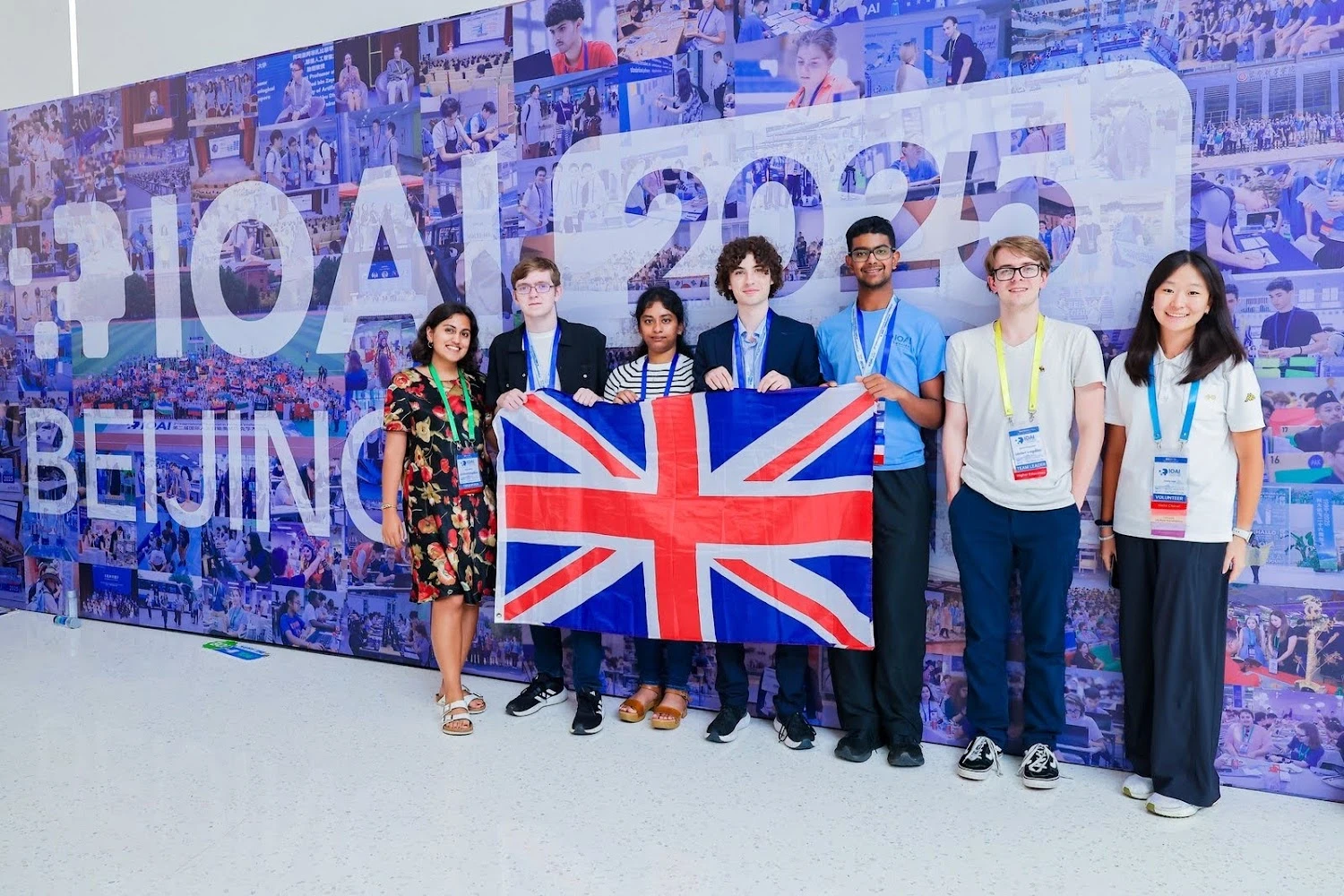
Most people assume olympiads are big institutions. Outside of maths, the UK ones mostly aren't. They're run by volunteers, often former olympiad students who were helped by someone when they were competing and want to do the same for the next group. They do it alongside their day jobs because they care about British students and want to see them do well against the best in the world.
When you're that small, money is rarely the bottleneck. The costs of running a national olympiad are real, but they're the easy part to fix. What's hard to get is expert time. An olympiad is only as good as its problems, and writing good problems is difficult. You need people who know the subject well enough to write something new, test it, and find the flaws before the students do. Volunteers with day jobs can do this for a while, but it's the first thing to slip when everyone gets busy. A highly technical company like Prax has a lot of this kind of expertise.
Our plan for being a good sponsor
The obvious thing for a sponsor to do is to give money. We will also provide the things that are scarce.
Attention
Students know which parts of their olympiad training experience helped and which were a waste of time, and they'll tell you if you ask. The mistakes are asking and then not changing anything, or trying to optimise for the wrong things.
Teaching
Mentorship and training sessions make a real difference to how far students get, and they're hard for a small volunteer team to run at scale. Students want feedback that they can’t necessarily get from their teachers at school, and insights into real world research and problems.
Contributing
The third is helping build the olympiad itself, by writing and testing problems, marking papers and running infrastructure. For the reasons above, this is where engineers are most useful. An olympiad is only as good as its problems, and writing good problems is difficult. You need people who know the subject well enough to write something new, test it, and find the flaws before the students do.
Community
Jesse Zhang wrote about the "math mafia", the olympiad alumni now founding companies like Cognition, Scale and Perplexity. His point was that the advantage wasn't only talent. It was having a group of friends doing the same thing, who learned from each other's successes and mistakes. That kind of community takes years to form. Sponsors can help by bringing alumni back as mentors and putting students from different years and olympiads in the same room.
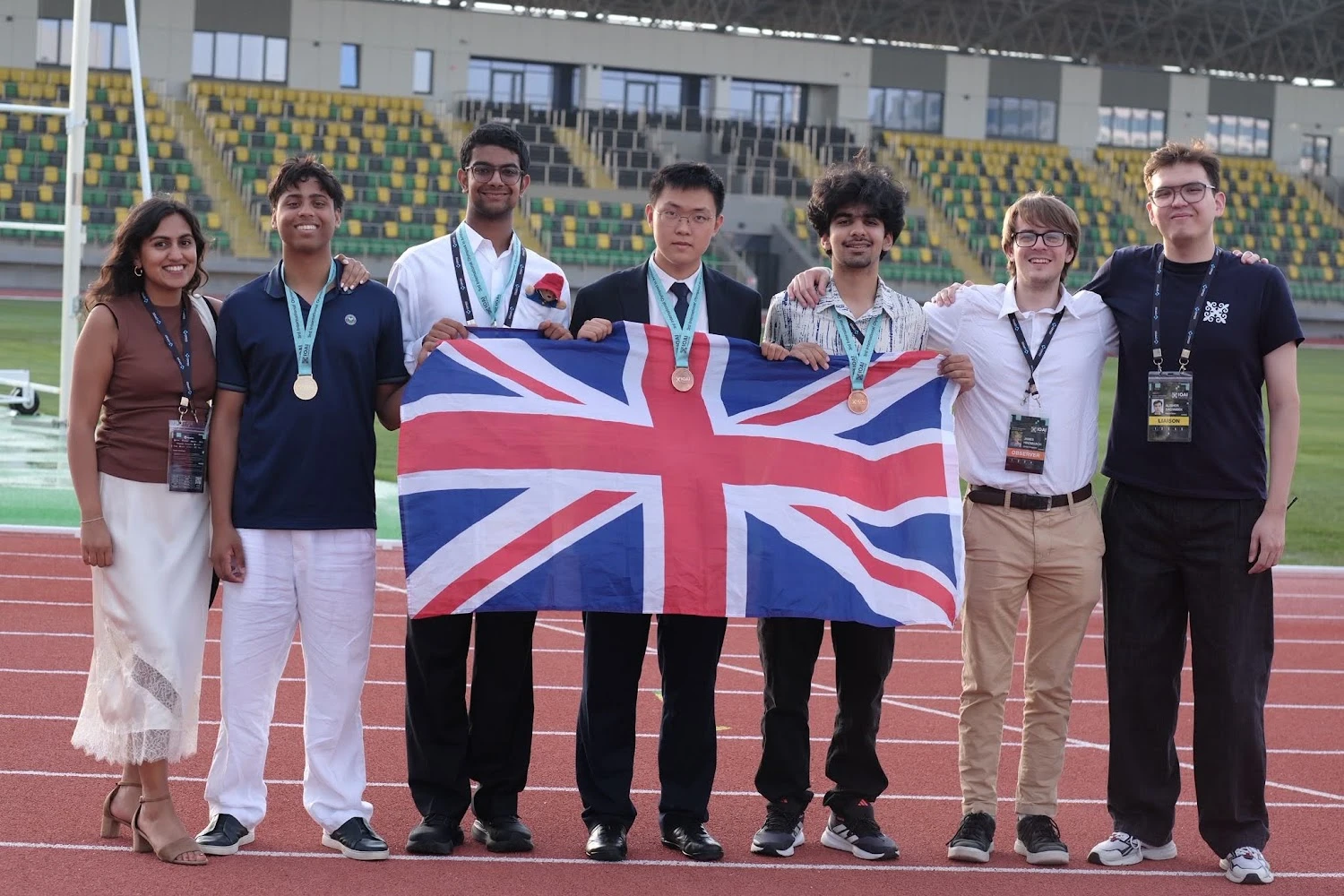
Olympiads don't teach everything. They build one kind of ability very well, but they don't tell you what to do with it. That's where the mentors around olympiads matter most. A good mentor helps with the problem in front of you and also shows you what's out there beyond competitions. That's the kind of sponsor we want to be.
If you run an olympiad or other competition, or you're a student deciding what to do next, we'd like to hear from you.