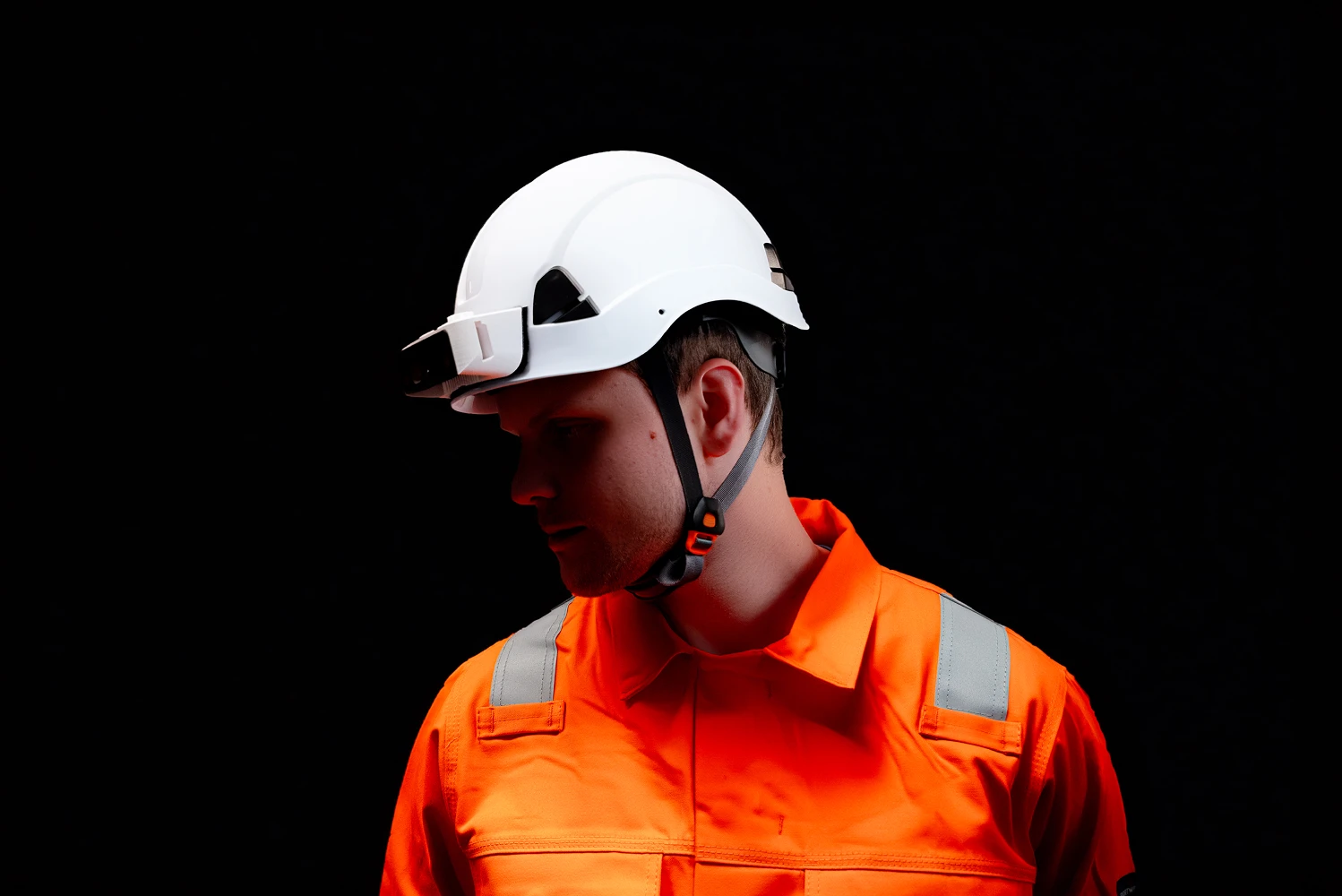
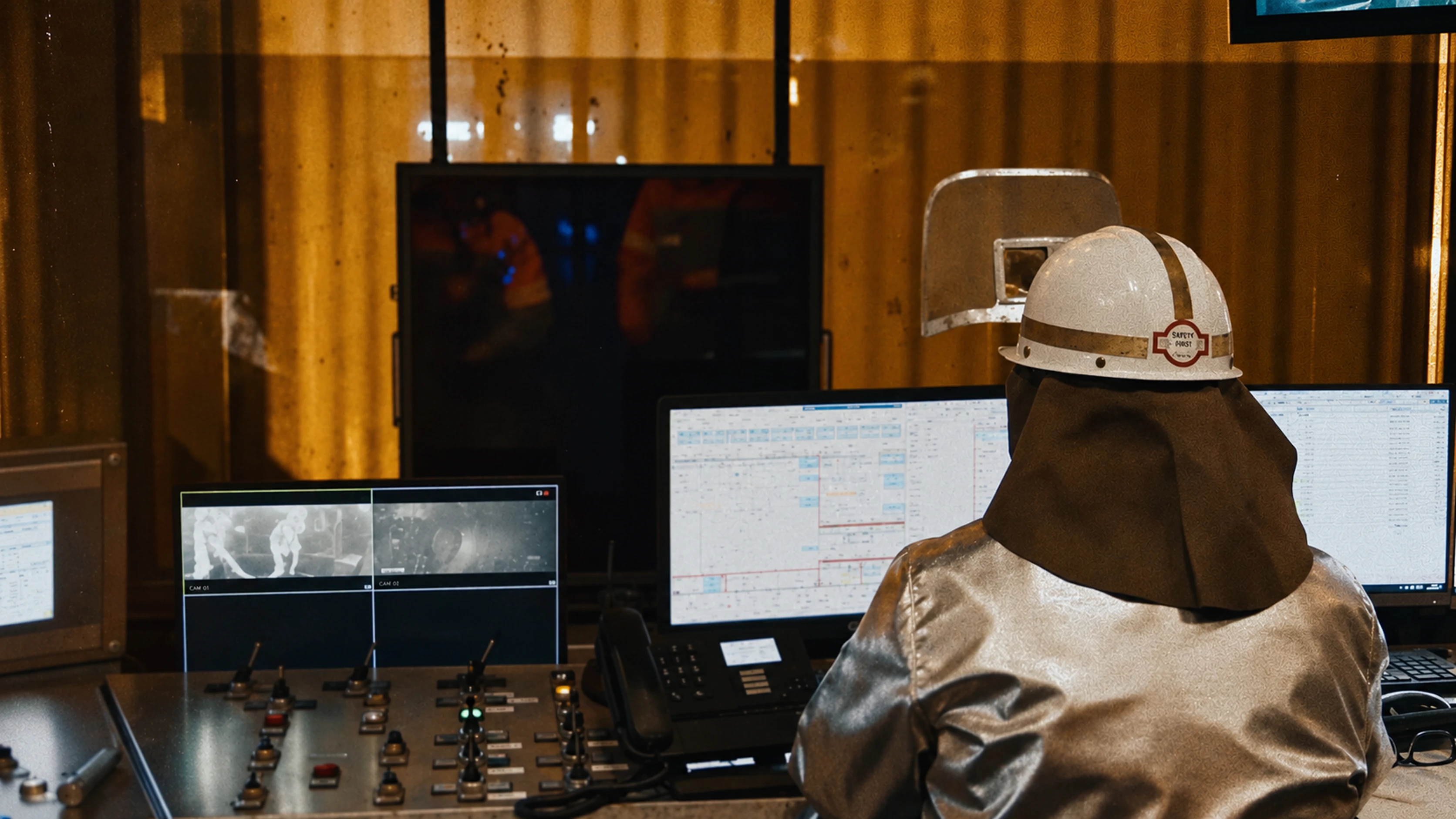

In practice, that means we build AI models, hardware like sensors and wearables, and software, and we deploy them in places like factories and mines.
Our mission is to take the best technical minds from a variety of research and engineering backgrounds, and give them an environment that combines the original innovation of a great research lab with the ground truth of the factory floor.
The company brings together two things that are personal to me.
I grew up saturated in industrial engineering. My dad and both my grandads worked in manufacturing: foundries, forges, automotive, and aerospace. Most evenings turned into a discussion about making something physical at scale, like how to increase turbine blade production while still meeting quality conformance. Those conversations were never purely technical. They spanned organisational design, operations and management. The lesson that came up again and again was to walk the production line, whatever your rank or title, because that's where you get ground truth and that’s the best way to practically realise a technical vision.
At the same time, I loved deep scientific research, especially exceptionally talented teams coming together to create something new. Bell Labs, Skunk Works and how Oppenheimer ran Los Alamos were favourite reading. For a while I thought I'd become a physics researcher, since that seemed like the natural outlet. Through physics I met some of the smartest technical minds of my generation. But I grew frustrated at how unapplied so much of the work was, and with some of the more arbitrary parts of the academic system. The brainpower going into research that probably didn't matter felt like a misallocation of resources. Meanwhile, the industries I'd grown up around were struggling to attract the best talent, and I knew they were incredibly fertile ground for innovation that would directly benefit society. The physical economy makes up a huge part of the overall economy, yet most of the strongest technical people I knew went into software that serviced ads, finance or academic research. Physical industry deserves a share of that talent too.
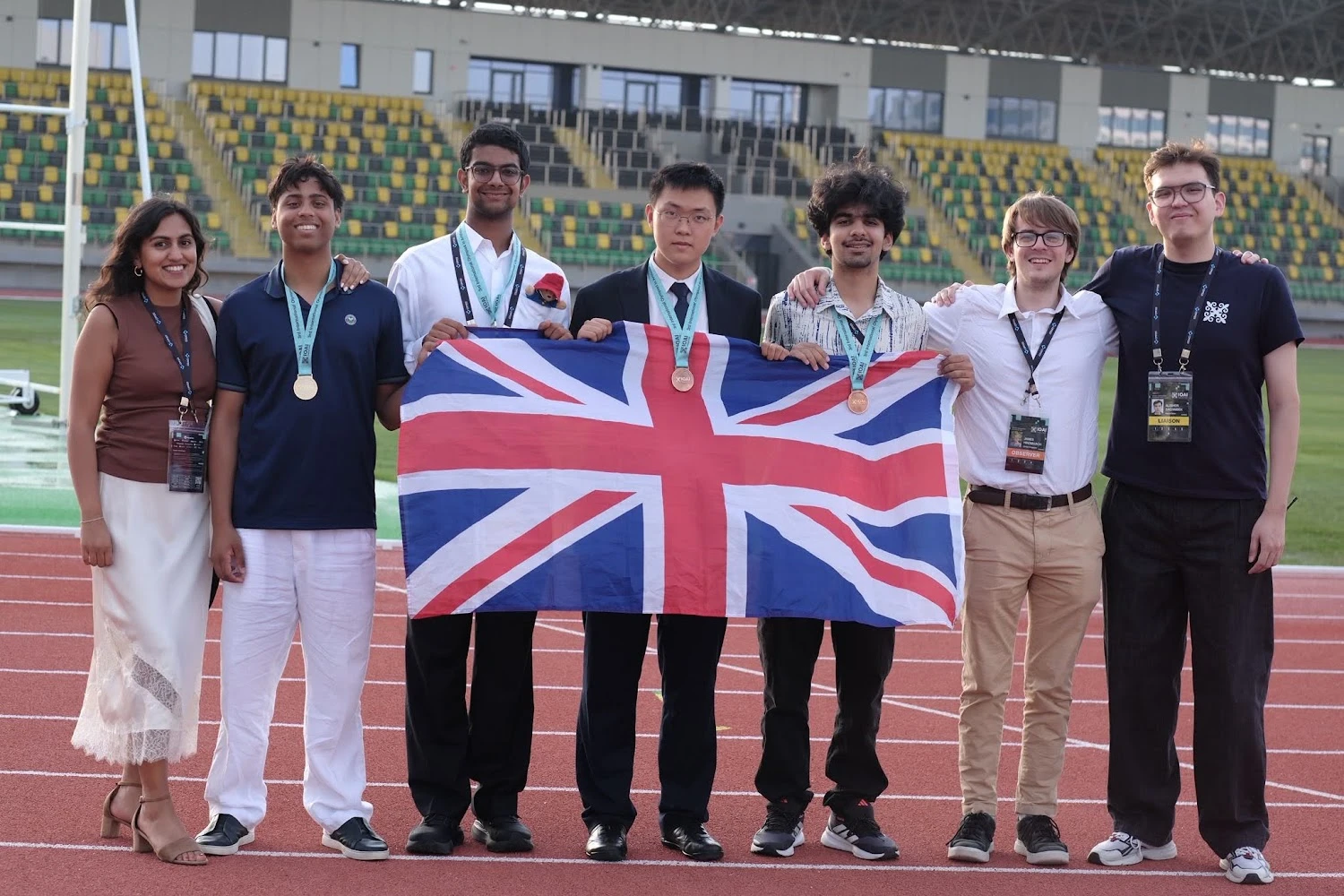
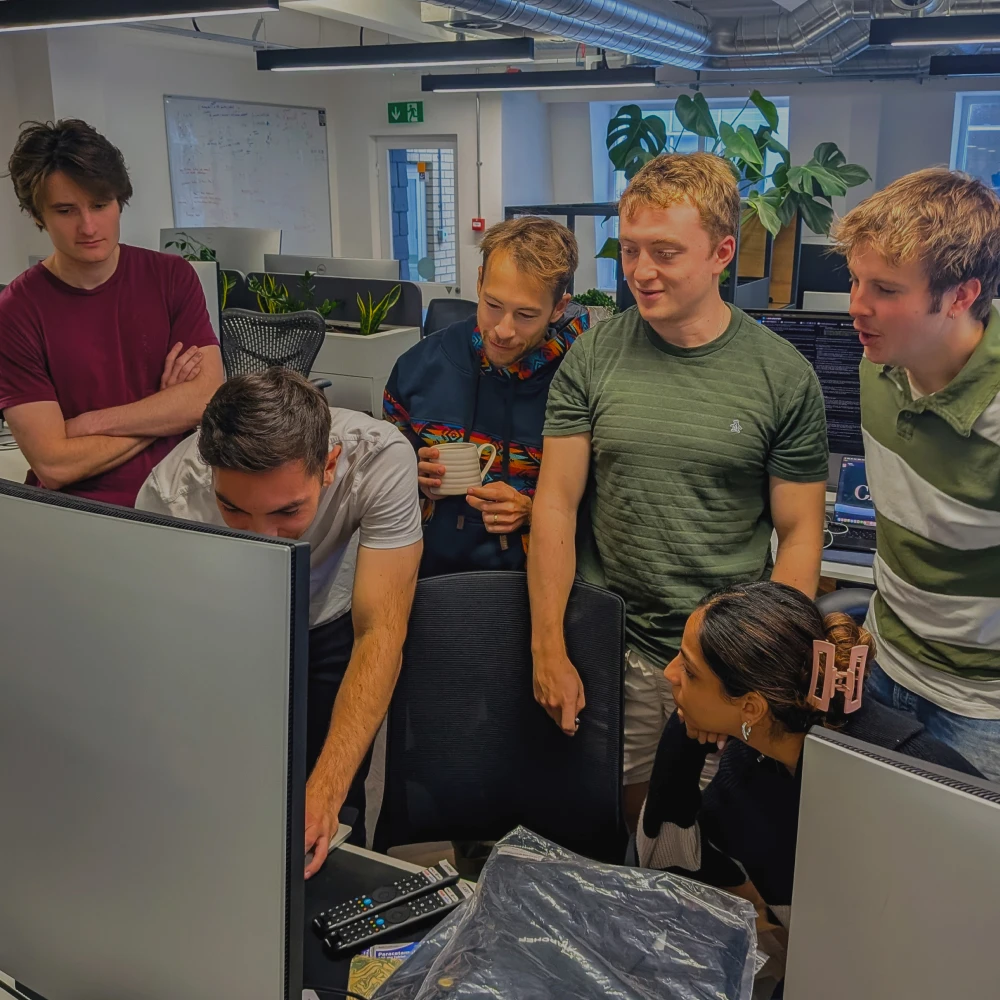
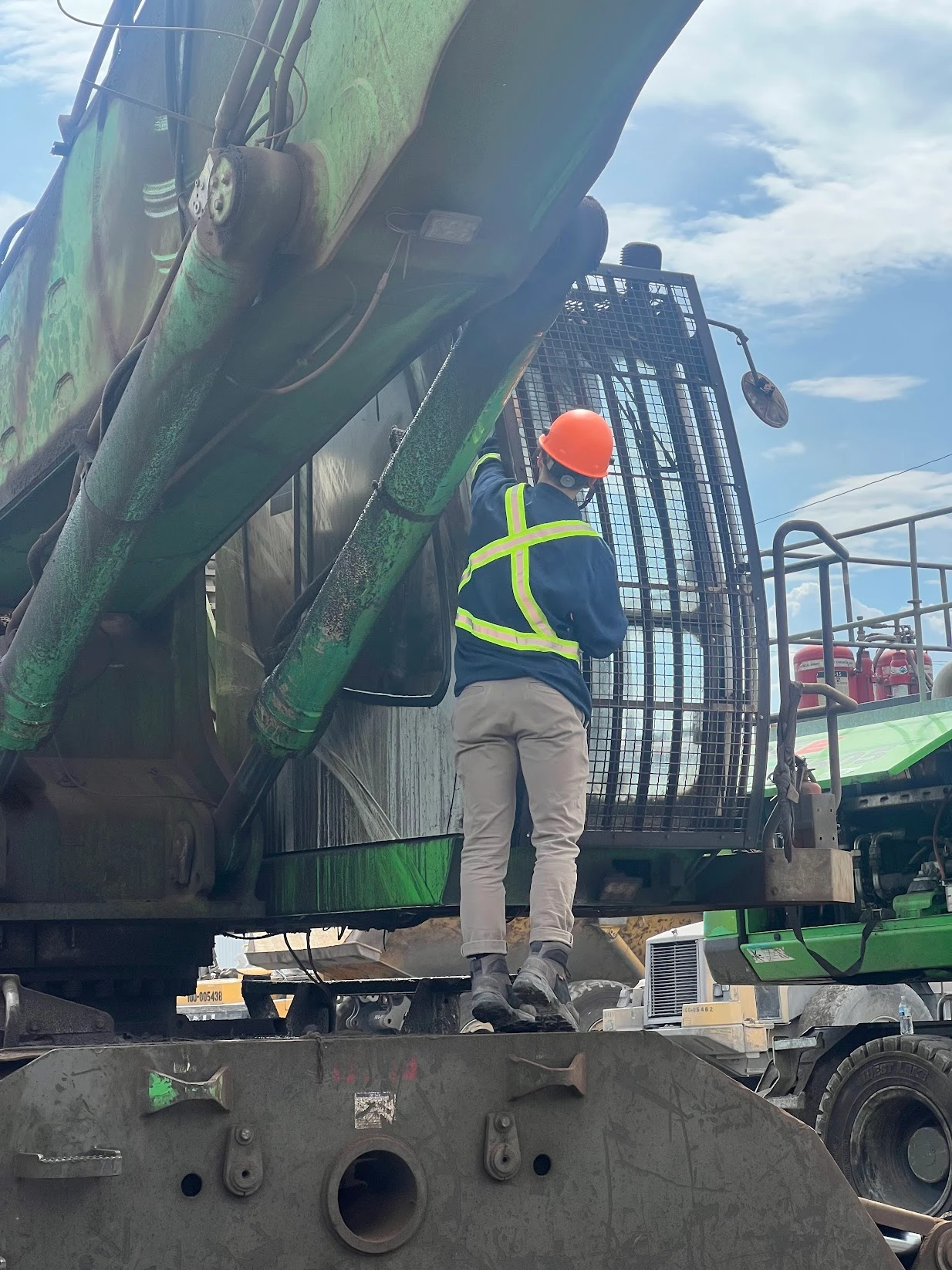
I started Prax to build the place I wanted to work, and to fill what I see as a huge vacuum. We bring together very talented people with diverse skill sets (physicists, software engineers, AI researchers) and have them walk the production line: working on real problems, in real industrial settings, alongside the engineers and operators who live with those problems every day. We aim to be a pandora’s box of slightly off-the-wall innovation, but somehow grounded by delivering tangible results, at scale, in physical industries.
At the time of writing, our products have been used in production, daily, by some of the largest industrial companies, to create billions of dollars of physical outputs. We have multiple parallel streams of experimental product development. We have hired directly out of elite physics institutions, hedge funds, and tech companies. Our team mostly consists of research engineers and forward deployed engineers. Everyone knows how to innovate and how to walk the production line.
Prax is short for praxis: theory into practice. It's what we've set out to build: a lab for creating new technology in physical industries, and a deployment company for making it work in production.
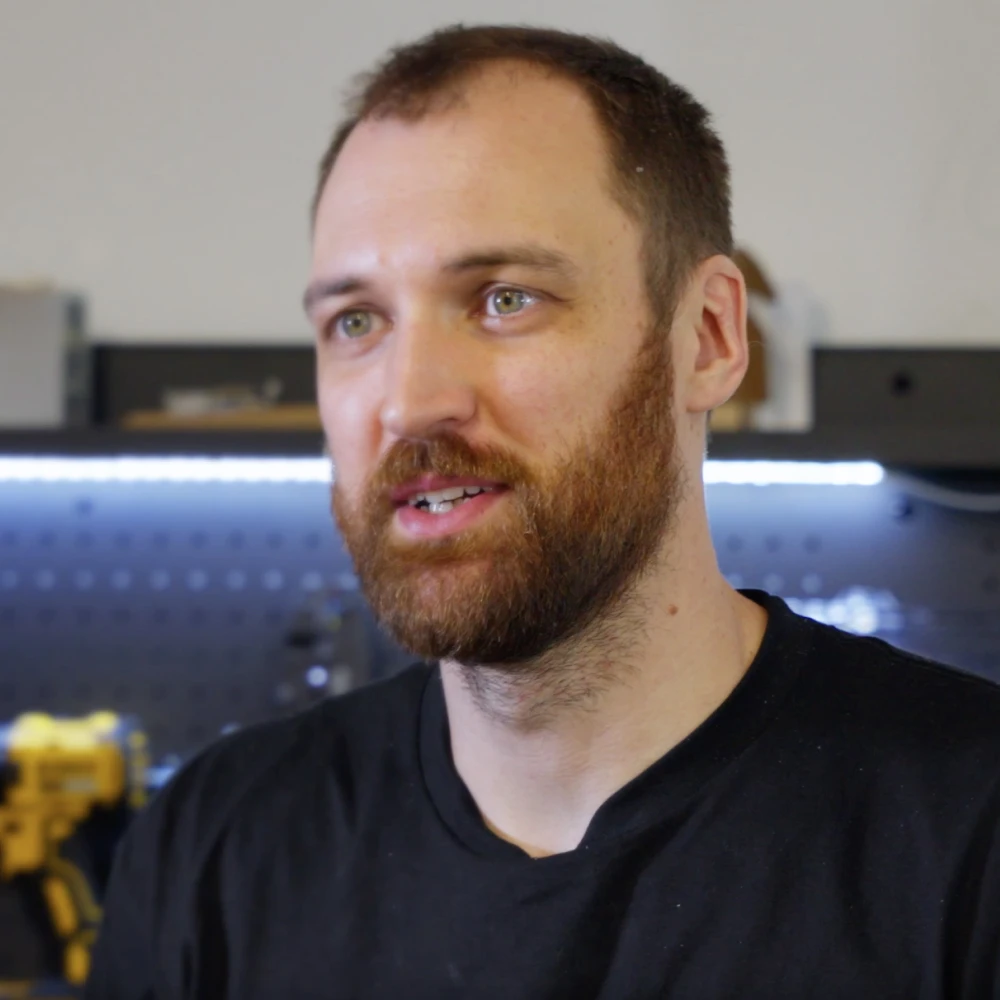
Thomas Kirk, Founder & CEO